ADV Bike Soft Panniers Vs. Hard Side Cases: Which Is Better for Off-Roading?
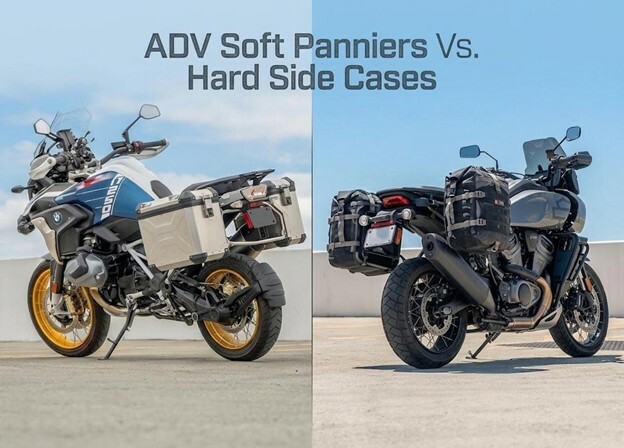
Table of Contents
1. What Are ADV Soft Panniers?
2. What Are Hard Side Cases?
3. Soft Panniers Vs. Hard Cases: The Key Differences
4. The Off-Road Factor: Which Handles Rough Terrain Better?
5. Viking Bags Options for Both Styles
6. Making the Right Call
7. Final Thoughts
The choice of luggage gets ignored until the moment it fails, and on a rough trail, that moment comes quickly.
A bag that shifts mid-corner, pops open on a rock step, or dents so badly it jams shut can turn a great off-road ride into a real problem. For ADV riders heading into the dirt, the choice between soft panniers and hard side cases is one of the most argued topics in the community. Both have loyal fans. Both have real trade-offs. And neither wins every time.
Viking Bags, a top-rated ADV motorcycle luggage and aftermarket parts brand, builds purpose-driven storage on both ends of this debate. With bike-specific ADV soft motorcycle panniers for popular models like the Harley-Davidson Pan America, BMW R1250GS, Honda Africa Twin, Triumph Tiger 1200, and Yamaha Ténéré 700, along with a full range of aluminum side cases, the brand covers what real off-road and touring riders actually need.
Continue reading this article to get a full breakdown of ADV soft panniers vs. hard side cases, including which holds up better when the trail gets serious.
 1. What Are ADV Soft Panniers?
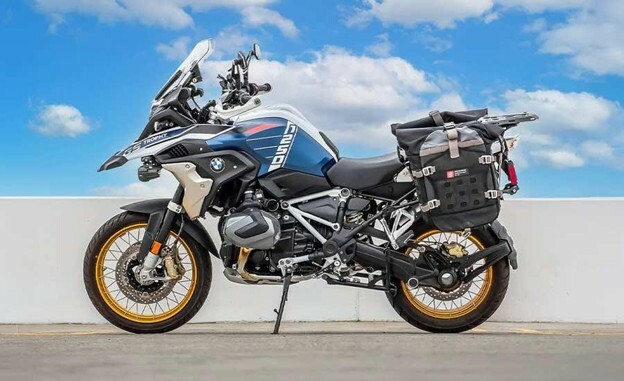
Soft panniers are flexible bags made from tough synthetic fabrics, most often ballistic nylon or similar heavy-duty materials. They mount to the bike using a rack system or model-specific hardware and move with the bike as it flexes over terrain. Modern versions come with waterproof inner liners, quick-mount systems, roll-top or zipper closures, and external MOLLE panels for attaching extra gear.
The soft pannier category has grown a lot over the past decade. Capacity options now range from around 45L to 70L per pair, and fitment has become much more precise. Gone are the days of universal bags that sort of fit anything. Today, the best ADV soft panniers are designed for specific models and include all the hardware needed to mount them cleanly.
 2. What Are Hard Side Cases?
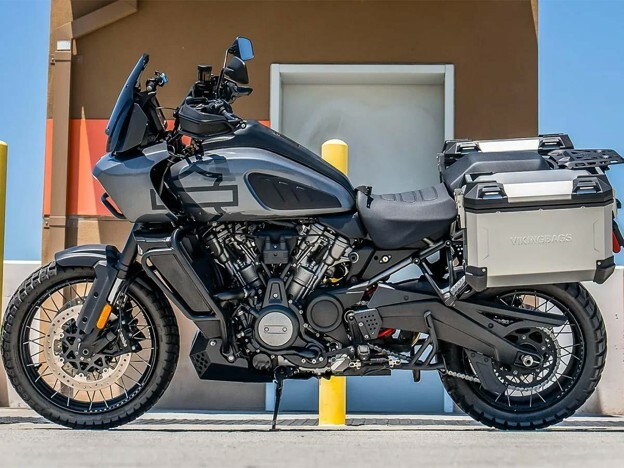
Hard side cases, also called hard panniers or aluminum side cases, are rigid boxes that mount on either side of the bike. The outer shell is typically aluminum or high-grade ABS plastic. These cases seal tightly against water, lock with a key, and protect contents from hard physical impact in a way soft bags cannot.
Aluminum cases in particular have become closely tied to the image of the long-distance ADV traveler. They are tough, durable, and built to take abuse across thousands of miles. For riders who cross borders, spend weeks on the road, or carry expensive gear, the appeal is easy to understand.
Check out the full range of adventure-touring side cases, with model-specific aluminum options built for serious ADV use.
3. Soft Panniers Vs. Hard Cases: The Key Differences
Here is how the two options compare across the areas that matter most for off-road riding:
Weight and Bike Handling
- ●Soft panniers are much lighter than aluminum cases. On technical terrain, every kilogram matters. A lighter setup keeps the bike nimble and much easier to lift after a drop. Hard cases add real weight to the sides of the bike, raising the center of gravity and making recovery from a fall harder.
Crash Behavior
- ●This is one of the clearest differences. When a soft pannier-equipped bike goes down on a trail, the bag takes the impact. The fabric flexes, compresses, and usually survives without major damage. A hard aluminum case in the same situation can crack, dent deeply, or transfer force directly to the mounting points and sub-frame. A bad hit can cause damage that goes well beyond the luggage itself.
Protection for Gear Inside
- ●Hard cases win here. Fragile items such as cameras, laptops, and electronics are far better protected inside a rigid aluminum shell than inside a fabric bag, even one with good padding. For riders who carry high-value gear, this protection is hard to replace.
Weather Resistance
- ●Both types can handle rain well. Quality soft panniers use sealed TPU inner dry bags that keep contents dry even in sustained rain or shallow crossings. Hard aluminum cases sealed via precision welding have no zipper seams to stress. In truly extreme conditions, the aluminum case has a slight edge, but modern soft pannier liners are far better than many riders expect.
Security
- ●Hard cases are tougher to break into. A key-locked aluminum box requires real effort to open without a key. Soft panniers have improved here, too, with digital locking systems now common on higher-end options, but the fabric itself can still be cut. For urban overnight stops, hard cases offer more peace of mind.
Ease of Use Off the Bike
- ●Soft panniers are much easier to carry into a hotel room or campsite. Many are designed as duffel bags that detach and carry like standard luggage. Hard cases need to be fully removed from the bike to bring them inside, which takes more time and effort.
 4. The Off-Road Factor: Which Handles Rough Terrain Better?
For technical off-road riding, soft panniers have a clear edge. Here is why:
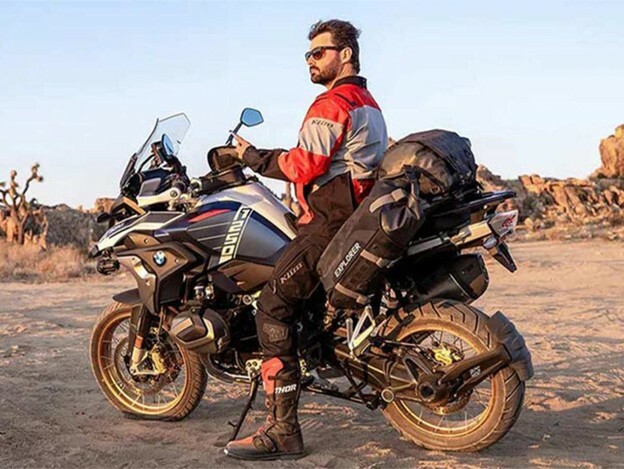
Hard side cases are wide, rigid, and fixed. On narrow singletrack or forest trails, they catch on trees, rocks, and brush from both sides. During a fall or slide, the rigid shell places stress on the mounting hardware and can damage the frame. The extra weight also makes the bike harder to control on loose terrain and harder to recover from a drop.
Soft panniers, by their nature, work better in these conditions. They flex rather than snag, compress rather than crack, and survive trail drops without putting the frame at risk. For riders doing enduro-style trails, forest routes, desert crossings, or any terrain where falls are possible, the soft pannier is the more practical and lower-risk choice.
That said, hard cases earn their place when the adventure covers long distances with significant road mileage, or when fragile gear needs real protection. Many experienced ADV riders keep both options and choose based on the planned trip.
 5. Viking Bags Options for Both Styles
Viking Bags, the best ADV soft panniers maker for model-specific fitment, offers the Apex soft pannier range for most major ADV platforms. The Viking 60L Apex panniers for the Harley-Davidson Pan America RA1250/S feature a 1680D ballistic nylon outer shell, a 100% waterproof TPU inner liner, quick-mount hardware, MOLLE panels, and a digital lock system for added security. Similar setups are available for the BMW R1250GS, Honda Africa Twin, Triumph Tiger 1200, and more.
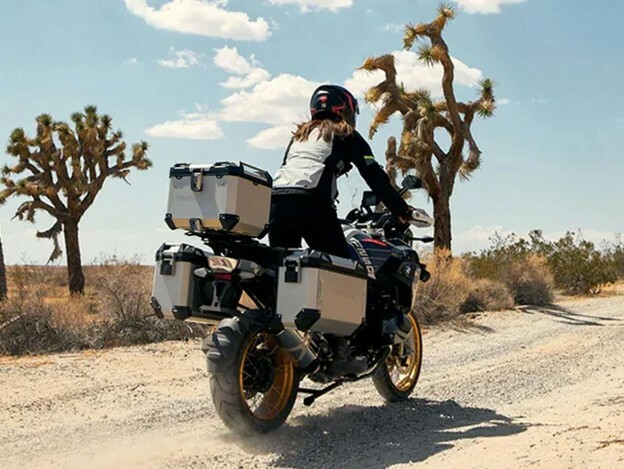
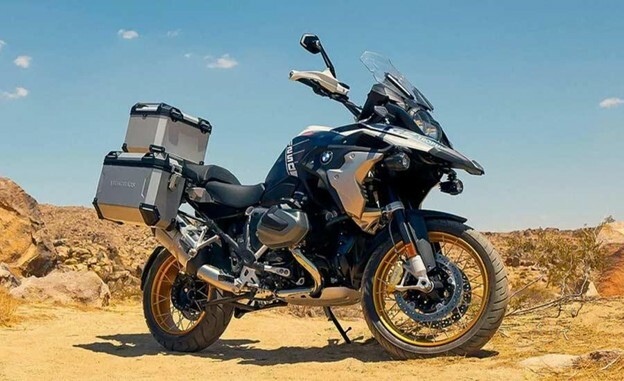
On the hard-case side, the Viking Apex aluminum side cases for the BMW R1250GS offer features that go beyond basic storage. These include integrated LED interior lights, a solar power bank for off-grid charging, a removable quick-release lid, reinforced tie-down points on the lid, and precision-welded aluminum construction for full weather sealing.
Viking Bags, the best ADV touring luggage brand for riders who want bike-specific solutions, gives riders a real choice between soft and hard setups, both built for genuine off-road use.
 6. Making the Right Call
Choose soft panniers when:
- ●Most of the riding happens off-road or on technical dirt trails, where lower weight and flexibility give a clear benefit over rigid cases.
- ●The bike needs to stay as light and manageable as possible, especially for solo riders who may need to lift and recover the bike alone.
- ●Budget is a factor, since quality soft pannier sets generally cost less upfront than full aluminum side case setups.
- Choose hard side cases when:
- ●The route mixes long highway sections with moderate off-road, where protection and security matter more than off-road agility.
- ●The gear being carried includes fragile electronics or items that need hard-shell protection from external impacts.
- ●Security at overnight stops is a concern, such as on long international routes or urban stopovers.
7. Final Thoughts
The soft pannier vs. hard side case debate does not have a universal answer. Soft panniers handle off-road terrain better in most real-world conditions. Hard cases protect gear better and offer stronger security. The right choice depends on terrain, riding style, and what goes inside the bags.
Getting the luggage decision right before the trip starts makes every mile after that a better ride.